
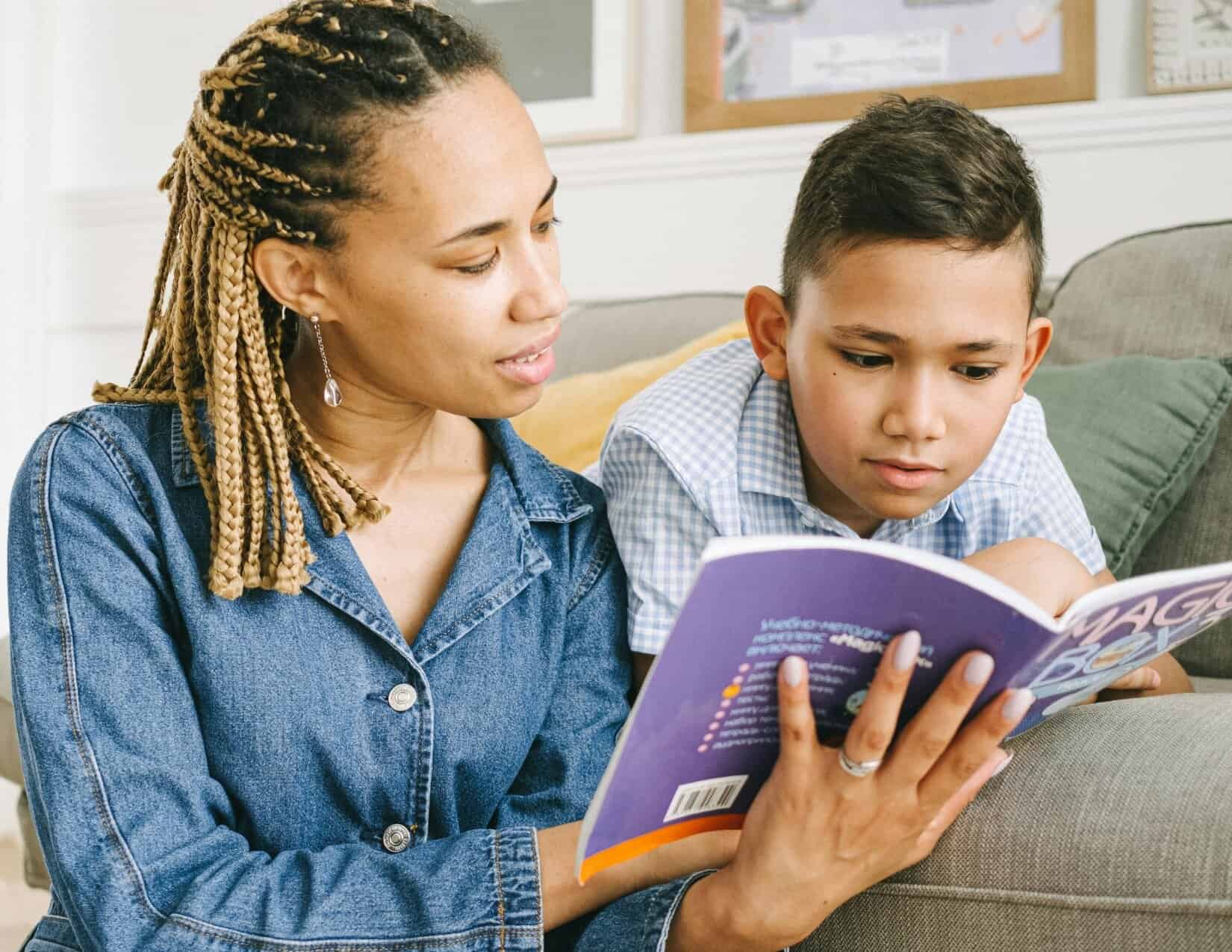
Children learn language by making connections between words, people, objects, actions, and experiences. From learning the name of a favorite toy to understanding what run, hungry, big, or under means, every new word gives children another tool for understanding and communicating about their world. But learning language isn’t simply about memorizing labels—it is about hearing words repeatedly, understanding what they mean, and eventually using those words in meaningful ways.
Whether your child is just beginning to communicate, using short phrases, having conversations, or receiving speech therapy for more complex communication needs, simple language strategies can support vocabulary development at any developmental level or age. By intentionally modeling language during play, books, routines, and everyday interactions, you can help your child build the vocabulary and language foundation they will continue to use as communication and learning become more complex.

Repeat Words Without Pressure
One of the easiest ways to help a child learn a new word is to simply use it often.
If you’re playing with cars, you might repeatedly use words such as car, wheel, blue, fast, drive, and stop. During a bath, you might naturally use soap, water, wash, hair, and towel.
The goal isn’t to repeatedly ask, “What is this?” or require your child to repeat the word. Instead, give your child lots of opportunities to hear the word used naturally and meaningfully.
A child may understand a word long before they are able to say it. Listening, watching, gesturing, pointing, using AAC, or making an approximation can all be meaningful steps toward language development.
Be Specific With Labels
Whenever possible, use the specific name for an item, action, or concept rather than relying on general words such as it, that, thing, or there.
Instead of:
“Give me that.”
Try:
“Give me the red cup.”
Instead of:
“Put it there.”
Try:
“Put the car on the table.”
Specific language gives children more information to attach to an object or experience. Over time, these individual words become part of a larger vocabulary network that supports understanding, expression, following directions, describing, answering questions, and participating in conversations.
You can also introduce words beyond simple labels. Instead of only saying ball, talk about big ball, bounce the ball, throw the ball, red ball, or ball under the chair.
Expand What Your Child Says
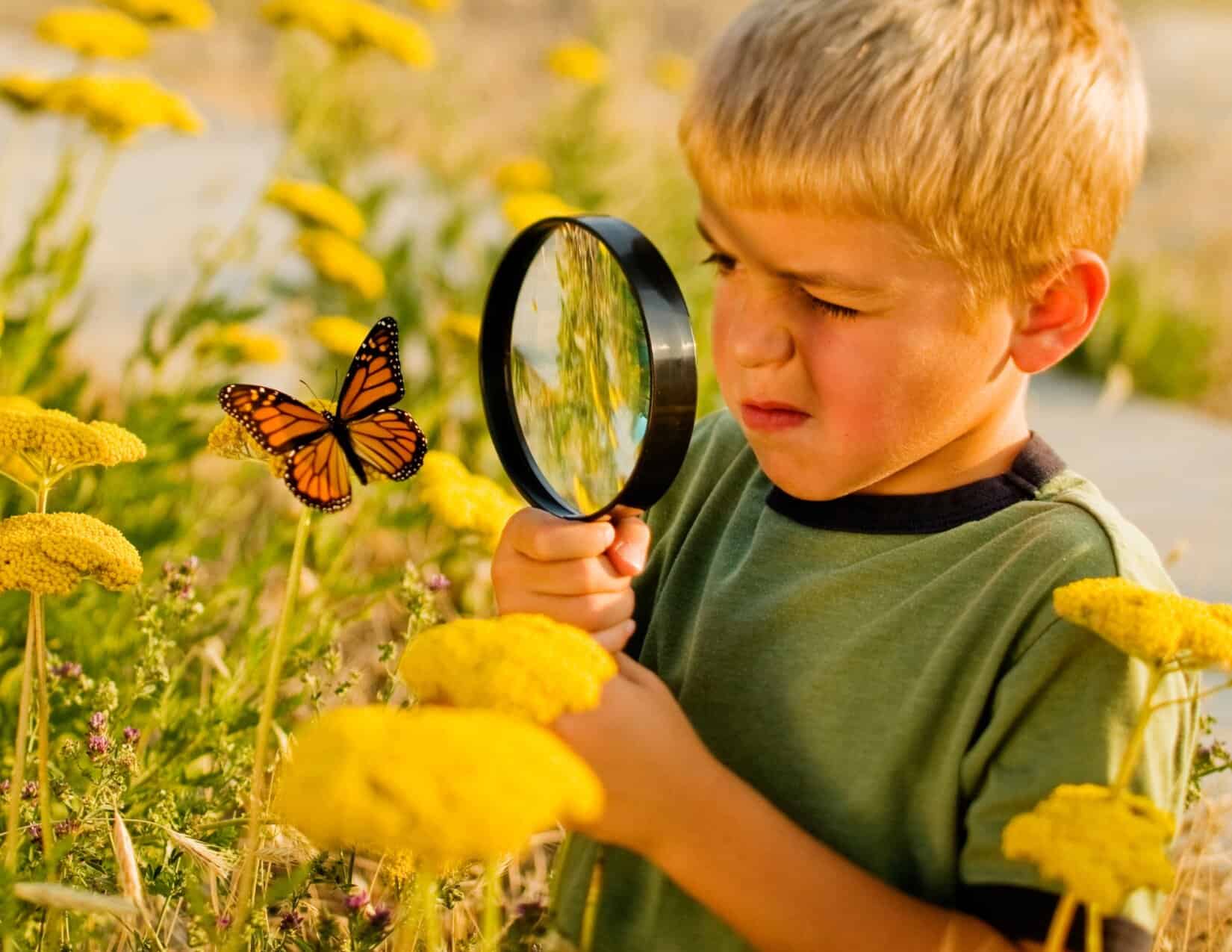
When your child communicates, you can build language by expanding or recasting what they say.
If your child says:
“Dog!”
You might respond:
“Yes! A big dog!”
If they say:
“Car go.”
You could say:
“The car is going fast!”
If they point to a bird, you might say:
“You found a bird! The bird is flying.”
You’re not correcting your child or requiring them to repeat the longer sentence. You’re simply modeling what the next level of language might sound like.
This strategy can be particularly helpful because it allows children to hear more advanced vocabulary and grammar while keeping the conversation connected to something that already interests them.
Build a Word Map
Words don’t exist in isolation. Children develop stronger vocabulary when they learn how words relate to one another.
For example, instead of learning dog as one isolated word, children can gradually connect it to:
Dog → animal → pet → furry → four legs → bark → leash → walk
This is sometimes called semantic mapping—organizing words according to their meaning and relationships.
You can build these connections naturally while playing, reading, or participating in routines.
For example, while reading a farm book, you might talk about:
- Animals: cow, horse, pig, chicken
- Actions: eat, run, jump, sleep
- Descriptions: big, little, brown, noisy
- Places: barn, field, farm
- Sounds: moo, neigh, oink, cluck
These connections help children develop more organized word knowledge, which supports future language learning and comprehension.
Pair Words With What Children Can See and Do
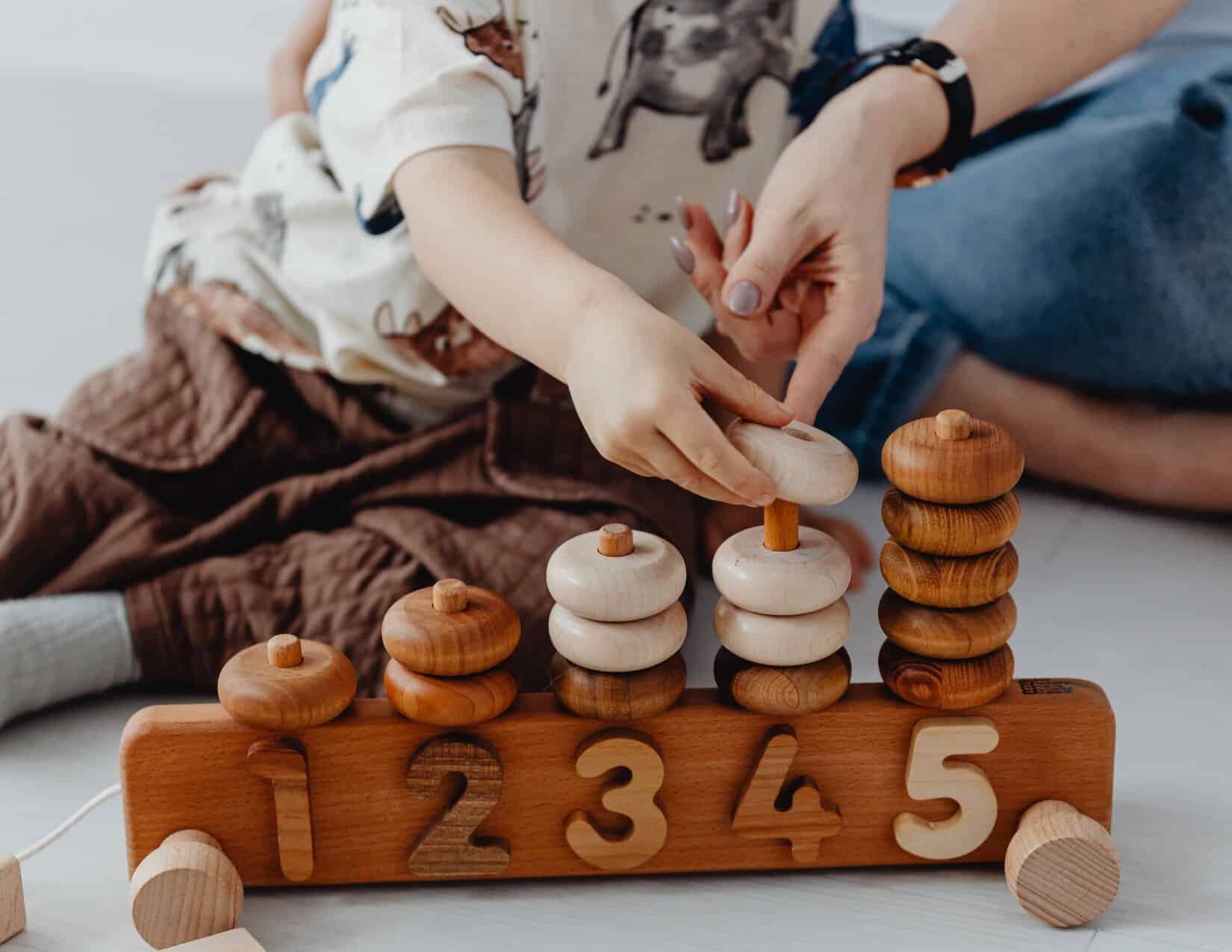
New words are easier to understand when children can connect them to something concrete.
When introducing a new word, pair it with:
- Real objects: Hold up the spoon while saying “spoon.”
- Pictures: Point to the picture while naming the item.
- Gestures: Pretend to sleep while saying “sleep.”
- Actions: Say “jump” while jumping.
- Books: Connect the word to characters and events in the story.
- Routines: Use the same words repeatedly during familiar activities.
These visual and contextual cues provide additional information about what a word means. This can be especially valuable for children who benefit from repetition, visual supports, gestures, AAC, or other multimodal forms of communication.
Language Learning Doesn’t Have to Look the Same for Every Child
It’s important to remember that language development does not follow one single path.
A toddler who is not yet using many words may be working on understanding labels, gestures, joint attention, and intentional communication. A preschooler may be learning to combine words into phrases and sentences. A school-age child may be developing more complex vocabulary, describing, storytelling, or understanding multiple meanings of words. A teenager may be working on abstract language, academic vocabulary, social communication, or comprehension.
The strategy can stay the same while the language becomes more sophisticated.
For one child, you might model:
“Apple.”
For another:
“Red apple.”
For another:
“The apple is crunchy.”
And for an older child:
“The apple is crunchy because it is fresh.”
The goal isn’t to make every child say the same words. The goal is to provide language that is meaningful and appropriate for where that child is right now.
How This Connects to Speech Therapy
Speech-language pathologists use many of these same principles during therapy. Depending on a child’s individual needs, therapy may focus on vocabulary, receptive language, expressive language, following directions, sentence formulation, narrative skills, social communication, AAC, speech sound production, or other areas of communication.
Vocabulary is also connected to learning far beyond the speech therapy room. As children enter school, they are expected to understand increasingly complex directions, learn new concepts, describe ideas, answer questions, participate in discussions, understand stories, and acquire academic vocabulary.
Early language experiences provide the foundation for these later skills.
That doesn’t mean every child needs to reach language milestones at the same pace or that early differences automatically predict future difficulties. It means that the language children hear, experience, and interact with every day gives them opportunities to continually build their communication system.
Start With What Your Child Already Loves
You don’t need a special lesson or a stack of flashcards to build vocabulary.
Follow your child’s interests. Talk about the things they’re already looking at, touching, playing with, eating, reading, or doing. Repeat important words. Add details. Connect words to actions and experiences. Give your child time to respond without turning every interaction into a test.
And most importantly, remember that communication is bigger than spoken words. Pointing, gestures, facial expressions, signs, AAC, sounds, approximations, and words can all be meaningful parts of a child’s communication journey.
The more we understand how children learn language, the more intentionally we can support them—whether we’re helping a toddler learn their first words, a preschooler combine ideas, or an older child develop the vocabulary and language skills needed for increasingly complex learning.
Want an Easy Reference?
We’ve created a free downloadable graphic featuring these five simple strategies for helping children learn new words. Keep it on your phone, save it for later, or share it with another caregiver, teacher, or member of your child’s support team.
Download the free graphic and start building language into the everyday moments you already share with your child!
