
Communication is about more than words—it’s about connecting with others, building relationships, and participating confidently in everyday experiences. While individual speech therapy plays an important role in developing communication skills, social groups provide children with opportunities to practice those skills in real-life interactions with peers.
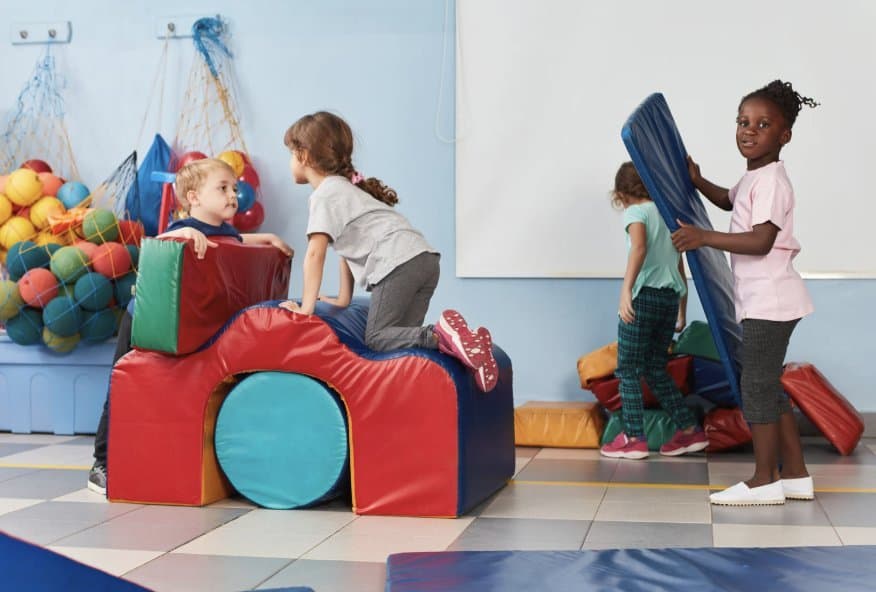
Social Groups for Children: Building Communication Through Connection
What Are Pediatric Social Groups?
Pediatric social groups are therapist-led sessions designed to help children develop communication, social, and relationship-building skills in a supportive and structured environment. Unlike one-on-one therapy, social groups allow children to interact with peers while receiving guidance and support from trained speech-language pathologists.
Through engaging activities, games, cooperative play, and group discussions, children learn how to communicate effectively with others while having fun.
What Skills Do Social Groups Target?
Social groups are designed to support a variety of communication and social development goals, including:
- Conversational skills
- Turn-taking and sharing
- Listening and responding to others
- Understanding social cues and body language
- Asking and answering questions
- Making and maintaining friendships
- Problem-solving with peers
- Emotional awareness and self-advocacy
- Flexible thinking and perspective-taking
- Group participation and confidence-building
Because communication needs vary greatly between children, activities are carefully selected to meet each group’s developmental level and goals.
How Are Groups Organized?
Successful social learning happens when children are paired with peers who have similar developmental profiles and communication needs. For this reason, our social groups are thoughtfully organized based on:
Age
Children participate with peers in similar age ranges to ensure activities are engaging, relevant, and developmentally appropriate.
Language Level
Groups are matched according to communication abilities, allowing children to practice skills with peers who can participate at a similar level.
Developmental Level
Children learn best when expectations align with their current developmental skills. Group placement considers social, cognitive, and emotional development.
Individual Needs and Goals
Some groups may focus on early social communication, while others target conversational skills, friendship development, executive functioning, or self-advocacy. Matching children with similar goals helps create meaningful opportunities for growth.
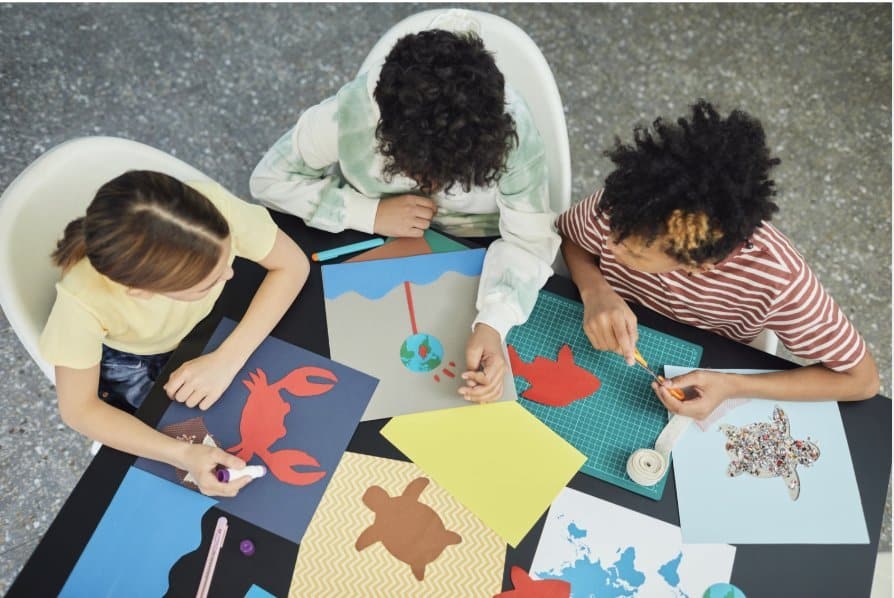
Led by Trained Speech-Language Pathologists
All groups are facilitated by licensed speech-language pathologists who are trained in communication development, social learning, and evidence-based intervention strategies.
Therapists provide structure, model appropriate communication, facilitate peer interactions, and help children apply new skills in a supportive environment. As children gain confidence, therapists gradually encourage greater independence and peer-to-peer engagement.
Why Are Social Groups Helpful?
Social groups provide something that individual therapy alone cannot: authentic opportunities to practice communication with peers.
Children learn best when they can immediately apply newly developed skills in meaningful social situations. Group settings create natural opportunities for conversation, collaboration, problem-solving, and friendship-building.
Benefits for Preschool-Aged Children
For younger children, social groups help establish foundational communication skills through play-based learning. Children practice:
- Joint attention
- Sharing and turn-taking
- Following group routines
- Early conversation skills
- Cooperative play
- Emotional expression
These foundational abilities support future success in school, friendships, and everyday interactions.
Benefits for School-Aged Children
As children enter elementary school, social expectations become more complex. Social groups help children strengthen:
- Conversational exchanges
- Friendship skills
- Perspective-taking
- Social problem-solving
- Group participation
- Self-confidence in peer settings
These skills support success both inside and outside the classroom.
Benefits for Older Children and Adolescents
For older children and teens, social groups focus on navigating increasingly sophisticated social situations. Areas of focus may include:
- Building and maintaining friendships
- Understanding social nuances
- Self-advocacy
- Emotional regulation
- Flexible thinking
- Collaboration and teamwork
- Preparing for community, academic, and future workplace interactions
These experiences help adolescents develop confidence and independence as they navigate growing social demands.
A Supportive Place to Learn and Grow
Every child deserves opportunities to connect, communicate, and build meaningful relationships. Social groups provide a safe and encouraging environment where children can practice new skills, develop confidence, and experience success with peers.
Whether a child is developing early communication skills, strengthening friendships, or preparing for future social challenges, therapist-led social groups can be a valuable part of their communication journey.
