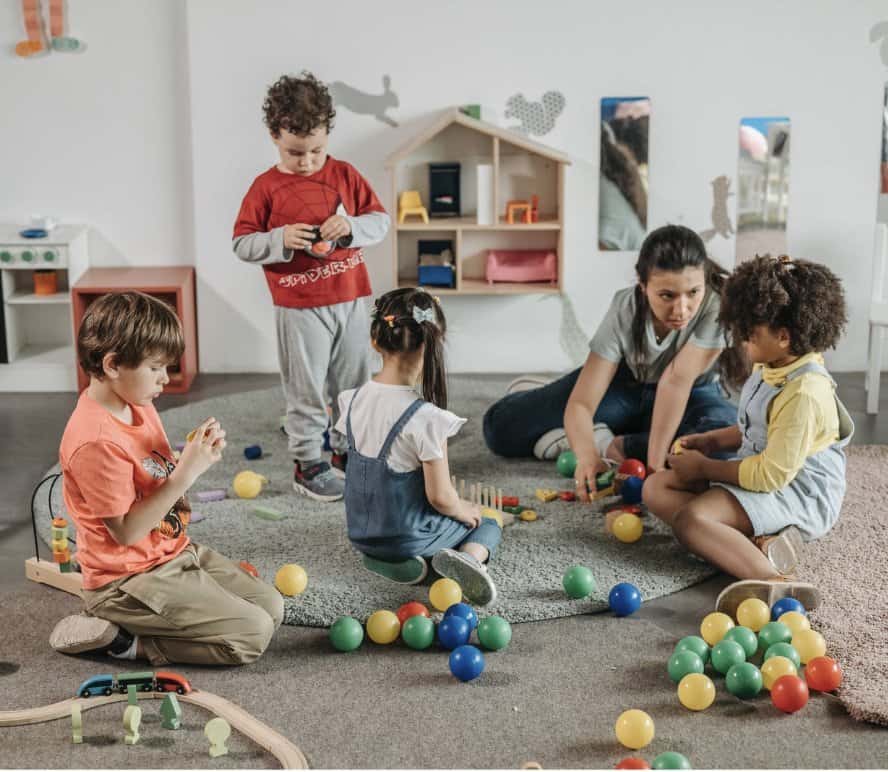
The Power of Collaborative Care: Speech and Occupational Therapy Social Groups

Children learn, communicate, and interact with the world through a combination of skills that extend beyond speech and language alone. Communication, sensory processing, emotional regulation, motor development, attention, and social participation all work together to support successful interactions with others.

This is why some children benefit from social groups led collaboratively by both a speech-language pathologist (SLP) and an occupational therapist (OT). These interdisciplinary groups provide a comprehensive approach to helping children develop the skills needed to participate confidently in everyday activities, relationships, and learning environments.
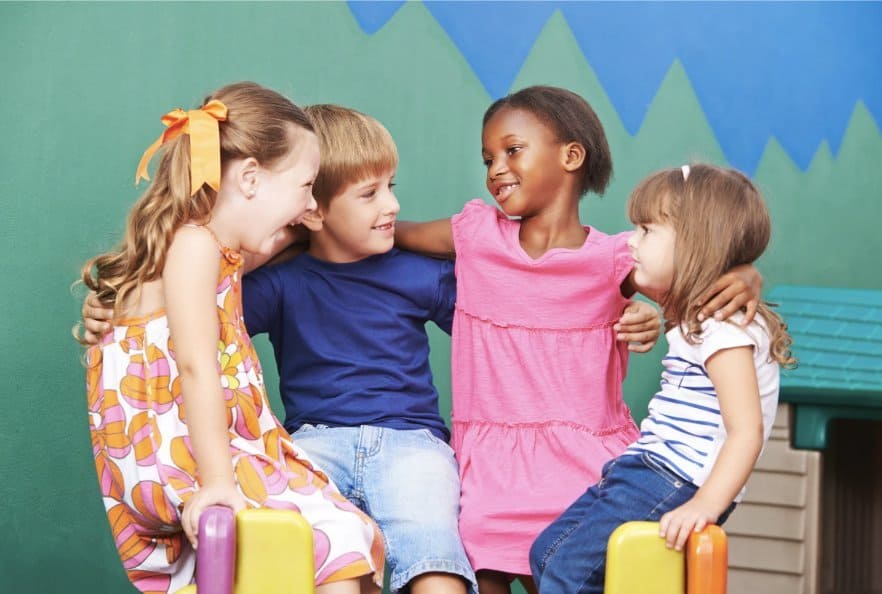
What Are Speech and Occupational Therapy Social Groups?

Speech and occupational therapy social groups are structured, therapist-led groups that combine expertise from both disciplines to support children’s communication, social, sensory, emotional, and self-regulation needs.

Rather than focusing solely on communication, these groups address the many underlying skills that influence how children interact with peers and participate in group settings.

By working together, speech therapists and occupational therapists can support the whole child while creating meaningful opportunities for peer interaction, play, and skill development.

What Skills Do Collaborative Groups Target?

Because communication and participation are closely connected, these groups may target a variety of skills, including:

Communication Skills

  • Conversational turn-taking
  • Asking and answering questions
  • Expressing thoughts, feelings, and needs
  • Understanding social language
  • Perspective-taking
  • Friendship-building skills

Social Skills

  • Cooperative play
  • Group participation
  • Problem-solving with peers
  • Understanding social expectations
  • Conflict resolution
  • Collaborative teamwork

Emotional Regulation Skills

  • Identifying emotions
  • Coping with frustration
  • Managing unexpected changes
  • Building resilience
  • Self-advocacy

Sensory Processing and Self-Regulation

  • Managing sensory input in group settings
  • Developing body awareness
  • Improving attention and engagement
  • Learning calming strategies
  • Increasing flexibility during transitions

Executive Functioning Skills

  • Planning and organization
  • Following multi-step directions
  • Task initiation and completion
  • Flexible thinking
  • Impulse control
Why Include Both a Speech Therapist and Occupational Therapist?

Children often experience challenges that span multiple areas of development. A child who struggles to participate in conversations may also have difficulty regulating emotions, processing sensory information, maintaining attention, or navigating group environments.

When speech-language pathologists and occupational therapists collaborate, they can address these interconnected challenges simultaneously.

For example:

  • A speech therapist may help a child learn how to join a conversation.
  • An occupational therapist may help the child regulate their sensory system so they can remain engaged in that conversation.
  • Together, they can support successful participation from both a communication and regulation perspective.

This collaborative model often leads to more meaningful and functional progress because children are practicing multiple skills at the same time in real-world social situations.

How Do Collaborative Groups Differ from Speech-Only Groups?

Speech-only social groups primarily focus on communication, language development, conversational skills, and social interaction.

Collaborative speech and occupational therapy groups expand beyond communication to address the sensory, emotional, motor, and self-regulation skills that support successful social participation.

Speech-Only Groups Often Focus On:

  • Language development
  • Social communication
  • Conversation skills
  • Peer interaction
  • Friendship development

Collaborative Speech and OT Groups May Also Address:

  • Sensory processing needs
  • Emotional regulation
  • Attention and focus
  • Motor planning
  • Executive functioning
  • Body awareness and self-regulation

Both types of groups offer valuable opportunities for growth. The most appropriate option depends on a child’s individual strengths, challenges, and goals.

Who May Benefit from Collaborative Groups?

Children who may benefit from a speech and occupational therapy group include those who:

  • Experience social communication challenges
  • Have difficulty making or maintaining friendships
  • Struggle with emotional regulation
  • Demonstrate sensory processing differences
  • Have attention or executive functioning difficulties
  • Need support navigating group environments
  • Benefit from a multidisciplinary approach to intervention

These groups are particularly helpful for children whose communication challenges are closely connected to sensory, regulation, or participation difficulties.

Learning Through Meaningful Experiences

Collaborative groups emphasize learning through active participation. Children engage in games, cooperative activities, movement-based experiences, problem-solving tasks, and peer interactions designed to strengthen communication and participation skills simultaneously.

These natural opportunities allow children to practice newly learned strategies while receiving support from both therapy disciplines in real time.

Supporting the Whole Child

Every child brings unique strengths and challenges to social interactions. By combining the expertise of speech-language pathologists and occupational therapists, collaborative social groups provide a holistic approach to development that supports communication, regulation, participation, and confidence.

Through meaningful peer experiences and interdisciplinary support, children gain the tools they need to connect with others, navigate social situations, and participate more successfully in everyday life.

TELL US WHAT YOU NEED

LET’S TALK